

Loading…

Cricket 2026: Why the New Generation Is Changing Test Cricket
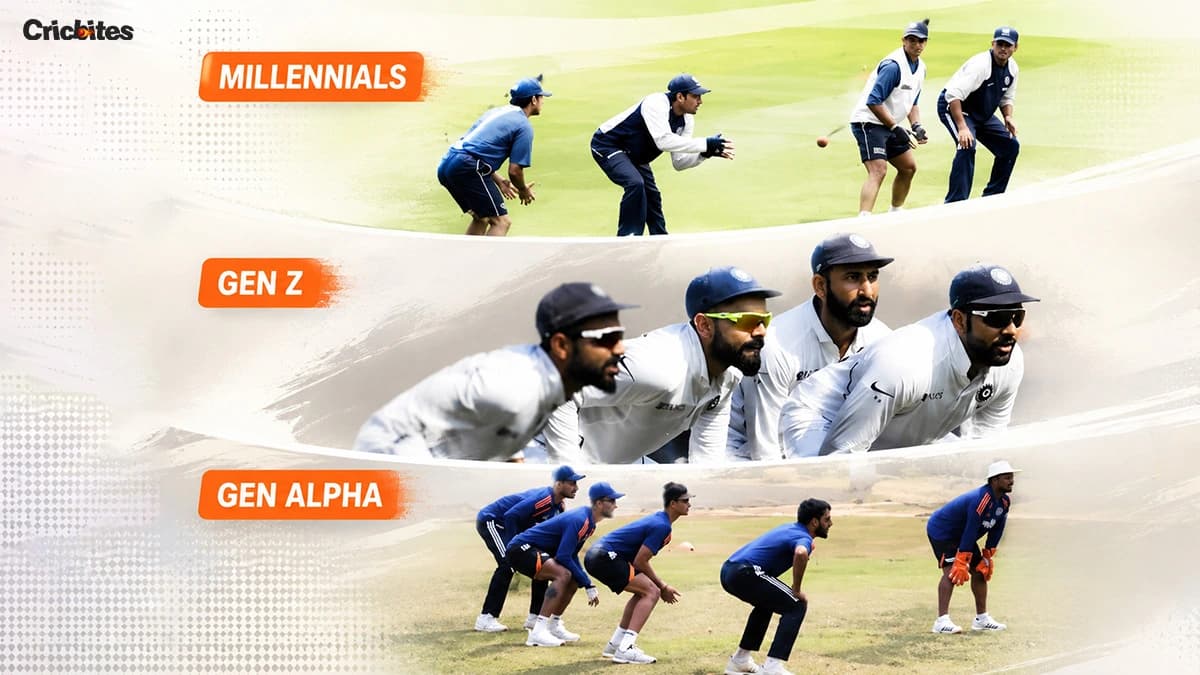
Test cricket has always evolved with the players who play it. Now, a new generation is reshaping the format in the only way it knows how to play the game. Players who developed their batting in franchise environments bring a tempo and a risk appetite that traditional coaching never asked for and never rewarded. The new Test batter does not simply sit in at the start of an innings and build patiently towards a platform. They assess the conditions, identify weaknesses in the bowling attack and look to attack from the outset.
Experts believe that the long-term survival of Test cricket will depend on the choices of young cricketers who face a genuine career decision between pushing their bodies to breaking point for five-day cricket or choosing the franchise circuit. The players who choose Test cricket in 2026 are making that choice actively, not by default. That choice changes how they play it.
The technical foundation has changed too. Selectors across teams now look for batters with quick hands and strong weight transfer, skills developed through T20 cricket, rather than simply players with a traditional defensive technique suited to the red ball.
The End of an Era
The new generation does not arrive in a vacuum. It arrives because the previous one is leaving. The year 2026 has already marked the end of an era for several prominent names in international cricket. Usman Khawaja retired after the fifth Ashes Test in January. Kane Williamson hung up his boots in New Zealand’s colours. Sarfaraz Ahmed stepped away from Pakistan cricket in March.
These are not peripheral figures. They are the players who defined how their countries played Test cricket across the last decade. The retirements are not all coming at the end of long international careers either. Heinrich Klaasen retired from Test cricket having played just four matches for South Africa. He is one of the most sought-after players in franchise leagues in the world and said simply that he was done with red-ball cricket.
That decision, made by a player in the prime of his career, reflects the reality that Test cricket now competes with franchise cricket for the commitment of its best players. Not every player chooses it. The ones who do not are not failing the game. They are making a rational career decision in a landscape that the previous generation never faced.
The Numbers Behind the Shift
This decade’s overall batting strike rate in Test cricket is the highest since the 1900s, while the batting average is at its lowest in 70 years. Those two numbers together tell a clear story. Batters are scoring faster than at any point in living memory and getting out more often than they have in generations.
The exchange of average for strike rate is not a coincidence or a statistical quirk. It is a collective decision made by a new generation of batters who grew up playing franchise cricket and arrived in Test cricket unwilling to leave that attacking instinct at the dressing room door.
Why Test Cricket Challenges Young Cricketers?
A large part of the younger generation of cricketers is not eager to play Test cricket. The money available in T20 franchise leagues attracts many rising players towards white-ball cricket, but there is still a strong group among the younger generation that sees Test cricket as the highest form of the game.
For those who choose Test cricket, the physical and mental demands of the format remain a major challenge. Usually, a Test match lasts 5 days and playing for that long can put a lot of strain on a cricketer’s body and mind. A batsman looking to play a match-changing innings in Test cricket may have to spend an entire day at the crease, or even longer. On top of that, those long hours could come in extremely difficult conditions.
There is also much greater pressure on Test batsmen to stay at the crease and protect their wicket compared to the shorter formats. Since a T20 innings lasts only 120 balls, batsmen can take more chances and attack more freely.
Test cricket can be equally demanding for bowlers, both physically and mentally. If a match is played on a flat pitch that strongly favours batting and the opposition scores more than 500 runs, every fast bowler in the attack may have to bowl over 30 or 40 overs. That is extremely difficult. Fast bowlers, in particular, need excellent fitness to keep their pace going through such a long innings.
Test Cricket Finds a New Identity
The debate about whether Test cricket is dying has been running for twenty years. It has not died. It has instead found an identity that looks nothing like what traditionalists expected and works in ways they did not predict.
England’s Bazball approach has not just redefined their style of play. It reflects a broader shift in the way Tests are played that looks set to shape the format for years to come.
Decisive results have become more common. Games that once drifted toward draws are now being won and lost in sessions that shift momentum irreversibly. The declaration has become a weapon again rather than a formality. Fourth-innings chases that once looked impossible are now being attempted and sometimes completed.
The format is producing more decisive cricket than it has in decades, not because the conditions have changed but because the players are willing to take risks that their predecessors were not.
Veterans like Aakash Chopra has raised the concern that Test cricket is struggling for existence and that England, Australia, and India to some extent are the only countries where the format is financially viable. That concern is real and the financial imbalance between Test cricket and franchise cricket is not narrowing.
But the quality of Test cricket being produced in 2026, driven by a generation playing the format at a pace and intensity it has rarely seen, is the strongest counterargument to the format’s decline.
The Pull of Franchise Cricket
The deeper explanation for all of this sits in franchise cricket. The type of player getting picked for Tests has changed. It is not just about having a perfect technique anymore. Selectors now look for batters with quick hands and strong weight transfer, skills honed in T20 cricket.
Players who entered the professional game through the IPL, the Hundred, or the BBL learned to read the game at a tempo that traditional coaching would have considered reckless in red-ball cricket. When they arrive in Tests, they do not slow down to match the format’s historical pace. They bring their tempo with them.
The Future of Test Cricket
The future of Test cricket depends on whether the next generation is willing to push their bodies to the limits that 5-day cricket demands. This is a generation of batters shaped by franchise cricket, who have arrived in Tests unwilling to leave their attacking instinct at the dressing room door. Whether they embrace the demands of the format while retaining that approach could shape the future of Test cricket, especially as franchise cricket continues to grow in appeal.
Follow Cricbites for the latest cricket updates, match schedules, player news, records, rankings and expert insights from around the world.