

Loading…

West Indies Face Another Qualification Challenge as World Cup Race Tightens
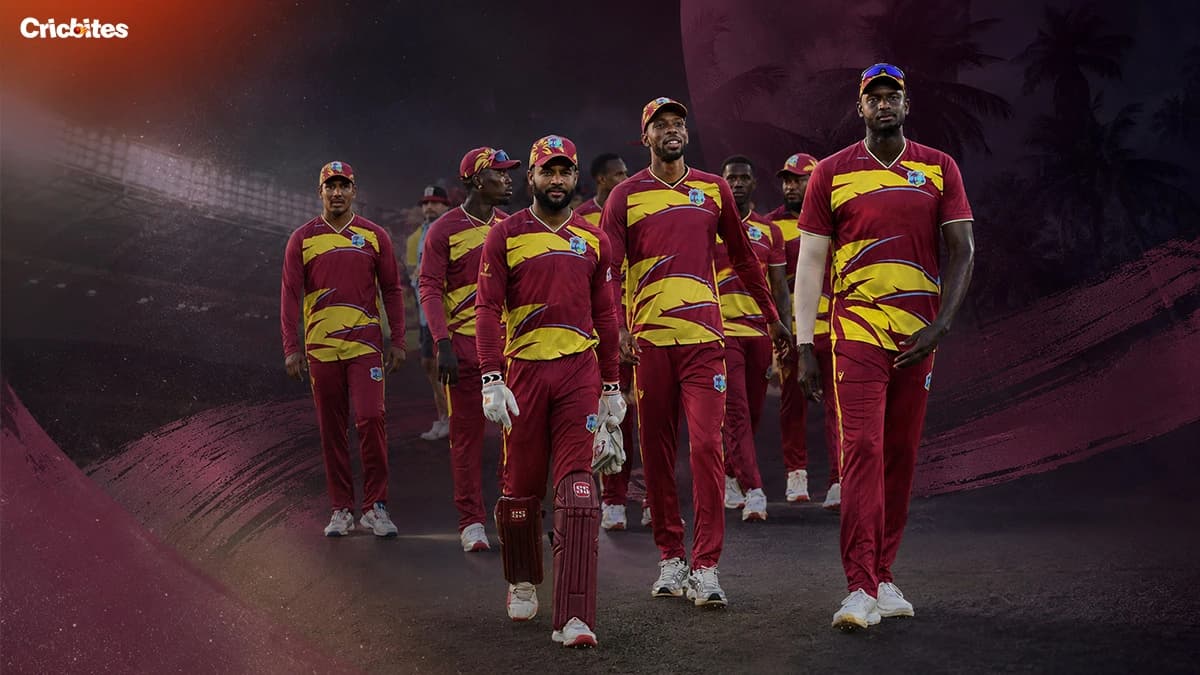
The West Indies are facing another major hurdle on the road to the ICC Men’s Cricket World Cup 2027 after Afghanistan secured the final automatic qualification spot through the ICC ODI rankings. The Caribbean side will now have to go through the World Cup Qualifier to earn a place at the global showpiece in South Africa, Zimbabwe and Namibia.
For a team that has won the ODI World Cup twice, the situation underlines how sharply the competitive landscape has changed. The West Indies also failed to qualify for the 2023 World Cup after losing in the qualifying tournament, and they now face another difficult route to the 2027 edition.
West Indies Miss Out on Automatic Qualification
The qualification picture became clearer after Afghanistan defeated Ireland and secured a top-eight position in the ODI rankings at the relevant cut-off. Australia, India, New Zealand, Pakistan, Sri Lanka, England, Bangladesh and Afghanistan have joined co-hosts South Africa and Zimbabwe among the teams assured of places at the 2027 World Cup.
The West Indies, meanwhile, are currently ranked 10th in the ODI rankings. Because South Africa and Zimbabwe qualify automatically as hosts, the top eight eligible teams in the rankings secure the remaining direct berths. That leaves the West Indies outside the automatic qualification places and sends them back into a route they would have desperately wanted to avoid.
A Familiar Problem for the Caribbean Side
The latest setback is particularly painful because the West Indies entered 2026 knowing that their ODI form had to improve. Ahead of their five-match series against New Zealand in July, the West Indies were sitting 10th in the rankings with 73 rating points, while Bangladesh occupied ninth place with 83. Every ODI therefore carried considerable significance in the race for direct qualification.
The Caribbean side needed a strong series against New Zealand to put pressure on Bangladesh. Instead, New Zealand won the series 3-2. Although the West Indies produced a spirited performance in the final match, the series result was not enough to transform their qualification position. The missed opportunity proved costly as the automatic qualification race moved beyond their reach.
New Zealand Series Highlighted the Problem
The five-match series demonstrated both the potential and inconsistency of the current West Indies team. There were moments when the hosts showed they could compete with a high-quality New Zealand side, but they were unable to maintain that level throughout the series. New Zealand eventually took an unassailable 3-1 lead before the West Indies won the final ODI.
That inconsistency has been a recurring issue for the Caribbean side in 50-over cricket. The team has talented players, including captain Shai Hope. But converting individual performances into consistent series wins remains important. Cricket West Indies had already identified the importance of the 2026 home season, with the Sri Lanka, New Zealand and Pakistan assignments forming an important part of the build-up towards the 2027 World Cup.
What Happens Next for West Indies?
The West Indies will now have to take the longer route through the ICC World Cup Qualifier. The qualification tournament will feature 10 teams competing for the remaining four World Cup places. The pathway includes sides coming through the ICC Cricket World Cup League 2 and other qualification events, alongside teams that miss out on direct qualification through the ODI rankings.
That means the West Indies cannot afford to approach the tournament casually. A poor run could once again leave one of cricket’s most historic teams outside the World Cup. The pressure will also be different from a normal bilateral series. In a qualifier, every defeat can have a direct impact on a team’s tournament hopes, making consistency, squad selection and handling pressure extremely important.
Why Qualification Matters So Much
Missing the 2027 World Cup would show a serious setback for West Indies cricket. The team has already gone through the disappointment of missing the 2023 tournament. Their absence from that event was one of the biggest surprises in World Cup history. Especially when considering their two championship wins.
Another failure would raise more questions about the development of ODI cricket in the Caribbean. It will also create doubts about the team’s ability to consistently compete against the leading nations. At the same time, the qualification campaign provides an opportunity. A successful run could give the West Indies valuable competitive cricket and allow younger players to gain experience in high-pressure matches.
West Indies Must Respond
The West Indies now have little choice but to embrace the challenge. The disappointment of missing direct qualification should become motivation rather than a distraction. The side still possesses enough talent and experience to compete for one of the remaining World Cup places, but it will need greater consistency across batting, bowling and fielding.
The 2027 World Cup will feature a new format. It will include 14 teams competing on multiple stages before the semi-finals and final. For the West Indies, however, the immediate objective is much simpler: qualify first, worry about the tournament format later.
After missing out on the 2023 edition and now being forced through the qualifying route again, the Caribbean giants face a defining period. Their history guarantees respect, but history alone will not secure a World Cup place. Next challenge is to prove that West Indies cricket still belongs on the biggest stage.
Stay connected with Cricbites for the latest cricket news, match updates, analysis and stories from around the world.