
Loading…

Bouncer Rules in Cricket: How Many Are Allowed in a Single Over?
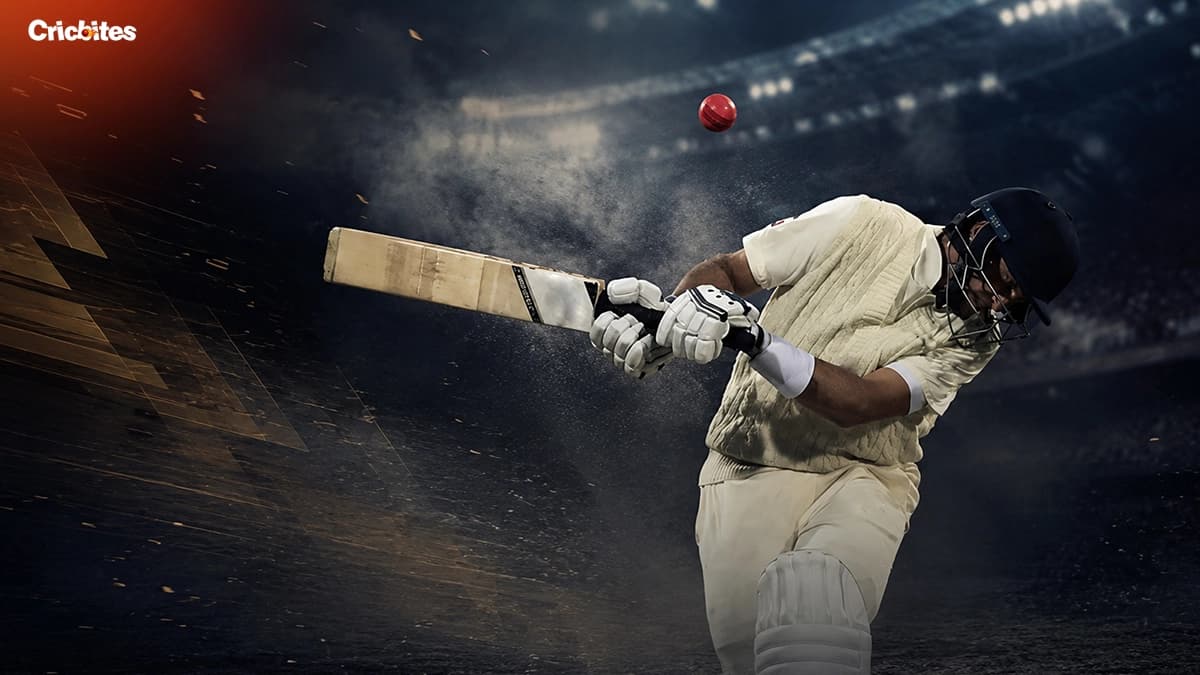
Short-pitch bowling has long been one of cricket’s most potent weapons. With legendary fast bowlers like Dennis Lillee and Malcolm Marshall and current fast bowlers like Jasprit Bumrah and Jofra Archer, bouncers have been one of the effective methods of troubling batsmen.
But to ensure the safety of the players and maintain a balance between bat and ball, cricket authorities have set some restrictions. So, how many bouncers are allowed in an over in cricket? Cricketites summarises it for you below.
What is a Bouncer in Cricket?
A bouncer is a type of fast or medium-fast short-pitch ball that is bowled quickly upwards to hit the batsman at shoulder level or head level.
The main objectives of bowling a bouncer are:
- To force the batsman onto the back foot.
- To force him to make mistakes and take wickets.
- To break the batsman’s rhythm and score runs.
A short-pitch delivery is defined as any delivery that passes or will pass over the shoulders of a batsman standing at the crease.
How Many Bouncers Are Allowed in an Over?
The answer depends on the format being played.
| Format | Bouncers Allowed Per Over |
|---|---|
| Test Cricket | 2 |
| ODI Cricket | 2 |
| T20 Internationals | 1 |
| IPL | 2 |
If a bowler exceeds the allowed limit of bouncers in an over, the extra ball becomes a no-ball. In limited-overs cricket, this also results in a free hit for the batting team.
How Many Bouncers Are Allowed in an Over in Test Cricket?
The most searched question among cricket fans is how many bouncers are allowed in an over in Test cricket. Under the current ICC rules, bowlers are allowed to bowl two bouncers per over in a Test match. If a third short-pitch ball is bowled above shoulder height, the umpire immediately calls a no-ball.
Also Read: T20 World Cup 2028 to Use IPL-Style Eliminators in Knockout Stage
How Many Bouncers Are Allowed in an Over in ODI Cricket?
Another common question is how many bouncers are allowed in an over in ODI cricket. As per the current ODI rules, two bouncers can be bowled per over. This rule was introduced to give bowlers more attacking options where batsmen have an advantage. If a bowler bowls a third bouncer in a single over, it is considered a no-ball and the batting team gets an extra run along with a free hit.
Why Does Cricket Have a Bouncer Limit?
In the 1970s and 1980s, some teams used aggressive and fearsome short-pitch bowling. Eventually, cricket governing bodies had to come up with measures that ensured safety but maintained the enthusiasm of fast bowlers. The current rules aim to strike a balance. They allow bowlers to attack without making frequent bouncers their main strategy.
Famous Bowlers Who Mastered the Bouncer
Many famous fast bowlers in cricket history were experts at bowling bouncers. The West Indies, which included Michael Holding, Malcolm Marshall, Joel Garner and Andy Roberts, relied heavily on short-pitch bowling to unsettle opposition batsmen in the 1970s and 1980s.
Australia’s Dennis Lillee and Brett Lee, both known for their fast and dangerous bouncers, were experts at bowling bounces, while Pakistan’s Wasim Akram and Shoaib Akhtar were experts at bowling bounces. In modern cricket, bowlers such as Jasprit Bumrah, Mitchell Starc, Pat Cummins, Mark Wood and Jofra Archer use bouncers effectively in all formats.
Why the Bouncer Is Still Important in Modern Cricket
A good bouncer:
- Will hit pull shots at the wrong time.
- Will push batsmen deeper into the crease.
- Will create catching opportunities from deep.
- Will set up yorkers and fullers later in the over.
- Will reduce the batsman’s scoring options.
Rather than using it as a dangerous tactic, fast bowlers often use bouncers as part of a larger strategy. This tactical importance is a major reason why the ICC continues to allow limited short-pitch bowling.
Read More: ZIM vs BAN 3rd T20I: Dream11 Prediction, Pitch Report & C/VC Picks
Conclusion
- Tests: 2 bouncers per over
- ODIs: 2 bouncers per over
- T20Is: 1 bouncer per over
- IPL: 2 bouncers per over