
Loading…

The Next Generation of Captains Transforming International Cricket
International cricket is approaching an interesting period of leadership. As the old guard of captains enter the twilight of their careers, a new generation is rising up to take over the mantle of some of the world’s most competitive teams. These incoming leaders are not just replacing the old guard, they are introducing new tactical concepts, new ways of managing players and a new knowledge of modern-day cricket.
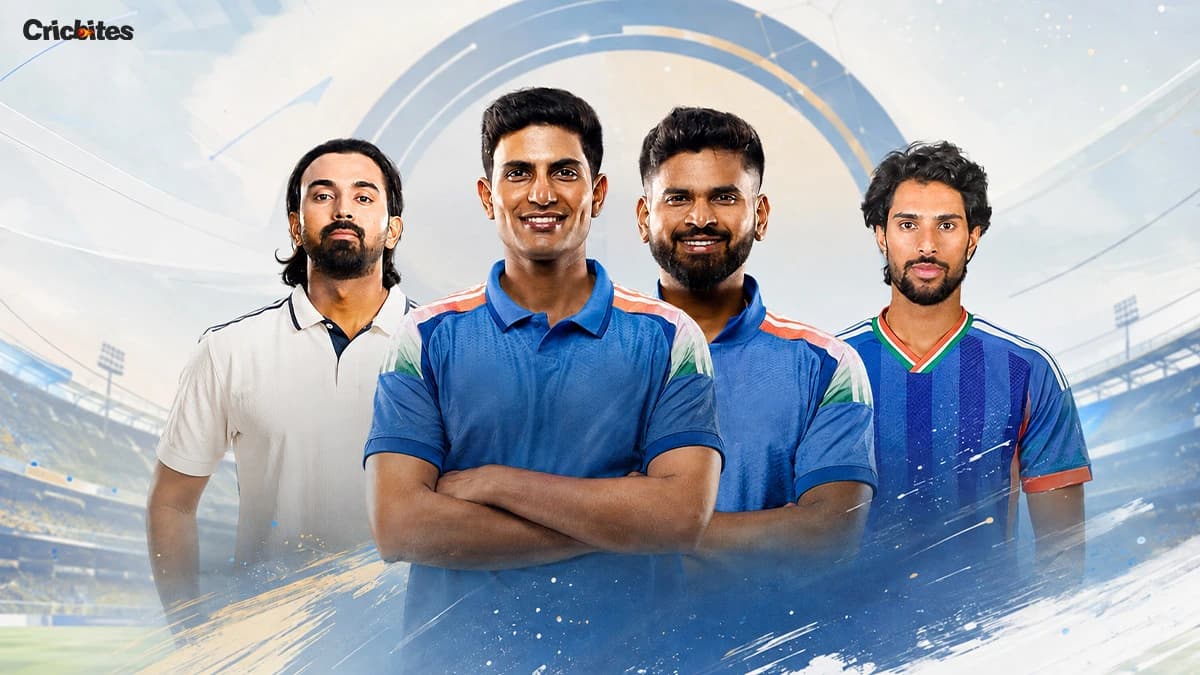
Today’s youthful skippers are being expected to lead ever-more complicated teams, from the rigours of five-day Test cricket to the quick-fire judgements demanded in T20 internationals. Shubman Gill, Harry Brook, Rachin Ravindra and other emerging leaders are the changing face of international cricket. The change in leadership in India is especially crucial with Gill coming in for Tests and ODIs as the next generation leadership of the nation.
The Next Generation of International Cricket
The leadership landscape is getting more diversified. Some new captains are aggressive and impulsive. Others are based on planned decision making. Some have come via local competition and franchise cricket to reach leadership roles, while others have taken the mantle straight into international cricket.
| Emerging Leader | Team | Leadership Potential | Key Strength |
|---|---|---|---|
| Shubman Gill | India | Very High | Composure and batting leadership |
| Harry Brook | England | High | Aggressive cricketing mindset |
| Rachin Ravindra | New Zealand | High | All-round ability and adaptability |
| Lorcan Tucker | Ireland | High | Developing international leadership |
| Riyan Parag | India/Franchise Cricket | Emerging | Tactical maturity and modern approach |
Shubman Gill: The New Age Leader Of India
Shubman Gill has become one of the most significant young leaders in world cricket. The evolution from a promising young batsman to a skipper burdened with India’s long-term Test and ODI hopes is a symptom of the evolving structure of the Indian squad. Gill was handed the reins of India’s Test squad in 2025 and soon took over the ODI side too, giving him a big chance to mold the team across formats.
Gill’s leadership style is synonymous with calmness, technical assurance and a contemporary approach to the game of cricket. He is a batsman who knows the necessity of establishing an innings and adjusting to varied situations As a skipper these traits may assist him to pass on patience to younger players, while yet pushing for aggressive cricket when circumstances require it.
His problem will be finding that balance between personal performance and leadership obligations. There are huge expectations with the captaincy of India especially in Test cricket when tactical patience and long term planning is a must. If Gill can work on his decision-making and communication abilities, he might well become one of the defining captains of India in the next decade.
Harry Brook and the England leadership transition
The latest leadership changes in England show just how hard succession planning can be in international cricket. Harry Brook has been touted as one of England’s most intriguing young hitters for some time now and his aggressive brand of cricket makes him a logical contender for future leadership roles. But the present Test scenario in England shows that leadership is more than only a skill.
Joe Root returned to the England Test captaincy in 2026 after a leadership break, with Stephen Fleming named as the new Test head coach. The situation has also highlighted the need for England to build a sustainable succession plan around its younger players.
Brook’s experience at the top will only increase and ultimately it may turn him into a crucial leadership figure. His aggressive batting strategy is also a reflection of the present English approach to test cricket. If he does move into more responsibility later, he might help England retain its offensive character and contribute his own ideas to the team’s tactical framework.
Rachin Ravindra: An All-Round Leadership Option
Another player who shows the future of international cricket is New Zealand’s Rachin Ravindra. Ravindra is a slow left-arm orthodox bowler and a left-handed hitter, the kind of flexibility that contemporary teams are increasingly looking for. The ICC labels him as an all-rounder and his performances have already made him a crucial cog in New Zealand’s future generation.
Ravindra’s biggest asset as a captain was maybe his ability to comprehend the numerous components of the game. An all-rounder is always in tactical circumstances, having to make decisions on how to approach an innings, how to manage bowling spells or how to comprehend conditions from both sides of the fight.
His age also provides New Zealand the ability to strengthen his leadership over time. Instead of handing him the whole weight of leadership straight away, they may introduce him to vice-captaincy, tactical talks and senior player duties. This might serve as a good basis for a future leadership post.
Lorcan Tucker, and the Expanding Irish Leadership Pool
The next generation of leaders is coming from more than just the traditional main cricketing countries. An example of this is Ireland’s Lorcan Tucker, who is another leader being nurtured by growing cricket teams.
In June 2026, Tucker was appointed by Cricket Ireland as the permanent T20I captain, with the side setting their sights on the 2028 T20 World Cup cycle. His nomination is a sign of the opening up of leadership chances throughout international cricket.
His selection reflects the greater development of the game where leadership potential is developing from a wider variety of nations and providing more competitive international battles.
Conclusion
From rising stars and key series to individual performances, rankings and the biggest headlines from across the cricket world, keeping up makes every game fascinating.
A new generation of cricket captains is transforming international cricket with innovative leadership styles, tactical innovation, and daring decision-making. The young leaders have been more flexible to the shifting formats and are motivating the next players. Their capacity to deal with pressure, to generate team spirit and to adopt new methods might well determine the next winning phase in cricket.
Keep updates with Cricbites
Catch all the latest cricket updates, analysis and stories on cricbites.com